Why Haitians Abroad Cook the Same Foods They Ate at Home
, by Seo Guy , 3 min reading time
, by Seo Guy , 3 min reading time
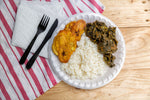
The question why do Haitians abroad cook native dishes has a simple answer with deep roots: food keeps identity close. In new countries, familiar recipes turn apartments into islands of home, stitching yesterday to today. When families gather around djondjon rice, griot, soup joumou, or legim, they are not just eating; they are practicing belonging. In this way, cuisine becomes food as memory, recreating Haiti abroad, and passing culture to kids—three ingredients of a resilient diaspora.
For Haitians, food as memory is the first passport. One inhale of pikliz or tassot can summon a market’s chorus, a grandmother’s laugh, or a New Year’s morning set to soup joumou. Memory lives in technique—the slow browning of meat for sauce, the hush when djondjon colors rice, the careful balance of heat and citrus in marinades. These practices are miniature archives: families repeat them not just for taste but to keep names, neighborhoods, and lessons alive. When someone asks why do Haitians abroad cook native dishes, the quiet reply is that memory needs a ritual, and the stove is the most reliable altar.
Diaspora kitchens excel at recreating Haiti abroad. If calabaza is scarce, kabocha stands in; when djondjon is hard to find, mushroom stock brings depth; citrus varieties shift, but garlic, thyme, and scotch bonnet hold the line. Community groups share sourcing tips, from Caribbean groceries to weekend markets, and church potlucks become laboratories where aunties compare crunch, spice, and patience. Recreating is not imitation; it is fidelity to spirit. Each adapted pot declares that homesickness is answerable and that culture can travel intact, even when ingredients must improvise.
Every pot is a classroom dedicated to passing culture to kids. Parents give small tasks—washing rice, tearing thyme, counting cups—and lace instructions with proverbs. Children learn measurements and metaphors at once, practicing Kreyòl words alongside motor skills. On January 1, soup joumou turns into a history seminar; during Holy Week or Carnival, menus teach the calendar. Youth who cook inherit more than recipes; they inherit rhythm, responsibility, and a usable pride. This is also why the question why do Haitians abroad cook native dishes is about tomorrow as much as yesterday: the kitchen keeps language and love fluent for the next generation.
Meals travel beyond the home to knit neighborhoods together. Weekend sales raise funds for school fees; WhatsApp groups swap video demos; pop-up chefs host supper clubs where recreating Haiti abroad doubles as entrepreneurship. Newcomers learn where to shop and how to season; elders gain an audience for tradition; kids see community in action. The table becomes a citizenship class without bureaucracy—practice in showing up, sharing work, and feeding others.
Cooking at home offers control over ingredients, which matters when balancing budget, health, and taste. Spice blends, long simmers, and smart pairings build big flavor with modest means. For many, this is emotional health, too: a reliable way to lower stress in unfamiliar systems. If you still wonder why do Haitians abroad cook native dishes, consider how a single pot can anchor a week—how a kitchen can turn uncertainty into ritual and ritual into confidence.
In the end, food as memory, recreating Haiti abroad, and passing culture to kids resolve the question. Haitians cook native dishes to remember, to rebuild, and to raise children who feel at home in two worlds. Every plate says: we are still here, and we know exactly how home tastes.