20 Haitian Foods Every Diaspora Family Misses
, by Seo Guy , 3 min reading time
, by Seo Guy , 3 min reading time
Haiti food is the flavor of memory. Open a pot in a diaspora kitchen and you’ll find a passport back home—steam that smells like Sunday, seasoning that tastes like celebration. The most missed dishes travel easily in stories and photos, but the real magic is in recreating them with what you have. Diaspora families learn substitutions, share tips, and pass down techniques so that absence never turns into amnesia.
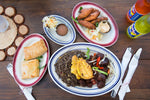
Ask which Haiti food tops the list and you’ll hear griot, the crispy-tender pork marinated in citrus, garlic, and spice, served with pikliz that snaps like a snare drum. On New Year’s Day, soup joumou fills bowls with independence—pumpkin, beef, pasta, and vegetables harmonized into an edible anthem. Then there’s djondjon rice, colored and perfumed by black mushrooms that transform a family meal into a feast. These three are more than dishes; they are traditions that diaspora families insist on mastering and sharing.
Beyond griot, soup joumou, and djondjon, the roll call of beloved Haiti food is long and lyrical. Diri kole with red beans anchors weekday plates. Tassot—fried goat—turns up at parties with a swagger all its own. Marinad fritters are crisp on the outside, cloudlike within. Akra malanga bites deliver earthy comfort. Legim, the slow-cooked vegetable medley, proves that patience tastes delicious. Bouyon warms rainy afternoons with dumplings and meat. Lalo spinach stew is strength in a bowl. Lanbi conch brings the sea to the table. Mayi moulen polenta pairs perfectly with fish in sauce. Pwason gro sel keeps it rustic and real. Pain patate sweet potato pudding finishes the evening with a hush of spice. Kremas toasts birthdays and reunions. Fresco shaved ice cools Carnival crowds. Tablet pistach and dous kokoye satisfy the sweet tooth. Bannann peze twice-fried plantains flank every plate. Poul ak nwa cashew chicken is luxury disguised as comfort. And for breakfast, mayi ak aran—cornmeal with herring—tells you the day will be productive.
Recreating Haiti food abroad means improvisation without compromise. When djondjon is hard to source, cooks use mushroom stock to coax depth into rice. For griot, citrus varieties change, but the marinade’s backbone—acid, garlic, thyme, scotch bonnet—stays true. If calabaza is scarce, kabocha stands in for soup joumou, and the soup still sings. Home cooks share knowledge in WhatsApp chats and at church potlucks, proving that diaspora families can recreate dishes faithfully with a little creativity and a lot of community.
Talk long enough about Haiti food and the word nostalgia appears. Each recipe is a story: who taught it, when it’s served, what it celebrates. Griot remembers graduations and cousins home from abroad. Soup joumou remembers independence and the hope of a fresh year. Djondjon remembers grandparents who stretched a budget into abundance. In diaspora families, these dishes are edible archives that keep names, places, and lessons alive.
The surest way to preserve Haiti food is to cook with kids. Give them a cutting board, a safe task, and a story about why soup joumou, djondjon, and griot matter. Record a voice note of a grandparent explaining a step; write the recipe on a card and tuck it into a family cookbook. When diaspora families recreate dishes together, they season the meal with patience, pride, and purpose. That is how Haiti food keeps feeding more than hunger—it feeds identity, and it turns nostalgia into a bridge between generations.