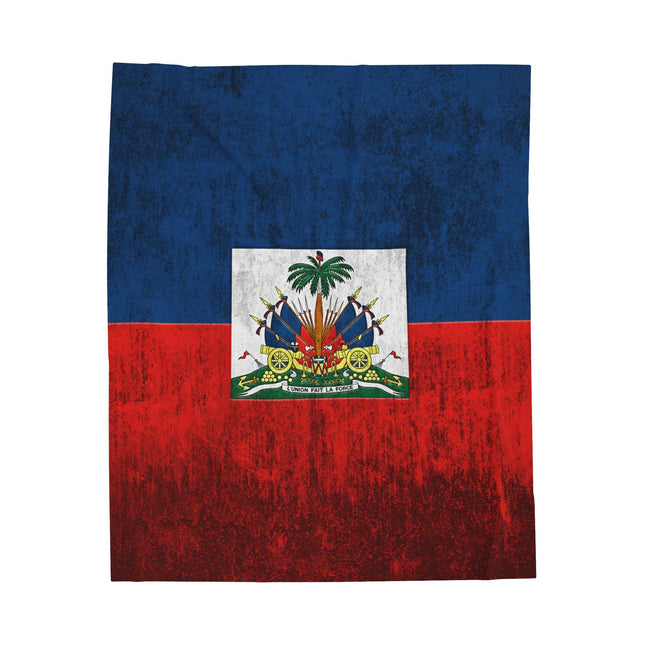

Haiti Independence Day: Soup Joumou, Freedom, and Diaspora Pride
, by Seo Guy , 2 min reading time
, by Seo Guy , 2 min reading time
Haiti independence was proclaimed on January 1, 1804, after a long, disciplined struggle that overturned slavery and colonial rule. The 1804 revolution, led by figures such as Toussaint Louverture and Jean-Jacques Dessalines, produced a political and moral breakthrough: the first Black republic. That declaration did more than redraw maps—it challenged global systems built on bondage and inspired movements for freedom across continents.
On New Year’s Day, families prepare Soup Joumou, a rich calabaza pumpkin soup once reserved for slave-owners. After the 1804 revolution, Haitians reclaimed it as a communal celebration of Haiti independence. The pot itself becomes a classroom: elders explain why the soup matters, kids learn to chop, stir, and season, and everyone rehearses the story of liberation together. In every bowl of Soup Joumou, you taste memory, dignity, and hope.
From Brooklyn to Montreal and Miami to Paris, diaspora pride turns January 1 into a living ritual. Churches host morning services followed by brunch; community organizations hold lectures and concerts; families invite neighbors to share Soup Joumou and hear the narrative of Haiti independence. These gatherings braid local life with ancestral memory, showing how the 1804 revolution continues to shape identity far from home.
Haiti independence is both a holiday and a duty. Parents retell key moments of the 1804 revolution, connecting bravery on the battlefield with everyday virtues—mutual aid, study, and respect. Schools assign readings, cultural groups stage plays, and youth leaders host open mics where poetry and kompa meet oral history. In these spaces, diaspora pride is not performance; it is preparation for civic life.
The 1804 revolution continues to inform debates about human rights and self-determination. When communities cook Soup Joumou and reflect on Haiti independence, they are not indulging nostalgia—they are practicing collective memory that equips the next generation to face new challenges. This is how diaspora pride stays rooted and relevant: by turning celebration into education and history into everyday ethics.
Every New Year’s Day, Haiti independence invites Haitians everywhere to renew a promise: protect freedom, honor sacrifice, and uplift community. The warmth of Soup Joumou, the echoes of songs, and the stories of the 1804 revolution keep that promise tangible. In homes and halls across the world, diaspora pride ensures that the first day of the year remains a first principle—liberty shared, learned, and lived.