
Who Are the People of Haiti? A Story of Heritage & Diaspora
, by Seo Guy , 3 min reading time
, by Seo Guy , 3 min reading time
The Haiti people emerged from braided lineages—West and Central African ancestors, Indigenous Taino echoes, and European contact—reshaped by plantation brutality and revolutionary courage. This composite heritage forged Kreyòl language, communal survival strategies, and a politics of dignity. To introduce the Haiti people is to introduce a tradition of reinvention, where families turned scarcity into ingenuity and ceremony into solidarity. That same DNA animates the diaspora, which carries Haiti’s voice to new neighborhoods without letting it fade.
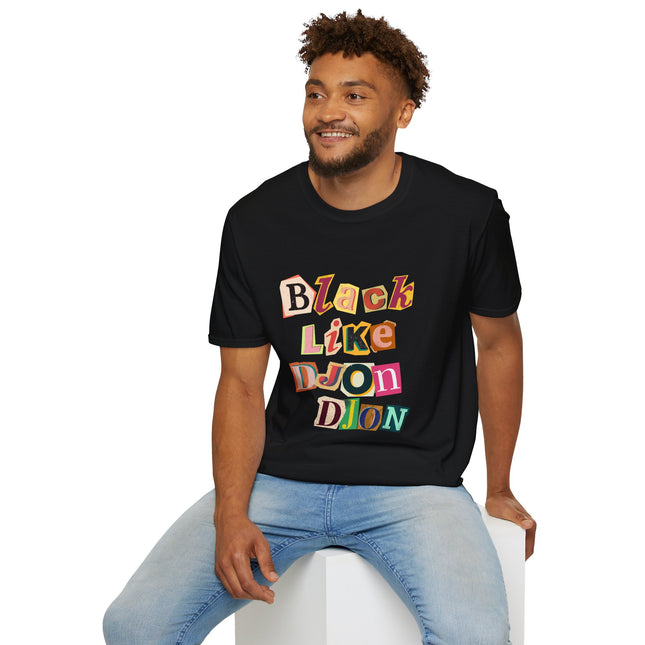
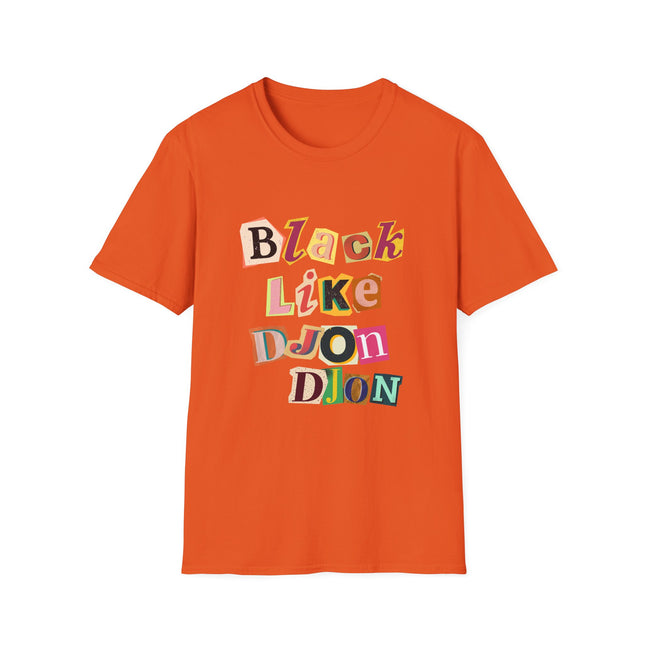
Haiti culture lives in kitchens where djondjon rice perfumes the air, in church choirs and rara bands, and in street art that archives joy and struggle. Children learn arithmetic and values at market stalls while helping count change; they learn history through songs about independence; they learn hospitality when extra plates appear for guests. For the Haiti people, culture is not a performance; it is what you do together—cook, sing, debate, repair—and what you refuse to abandon.
Among core values, you’ll hear respect for elders, devotion to education, and commitment to mutual aid. Proverbs compress entire ethics into a line—“Men anpil, chay pa lou” (Many hands make the load light). These values travel gracefully: the diaspora builds savings clubs, rotates childcare, and organizes church drives that fund tuition and medicine back home. In this way, the Haiti people turn moral vocabulary into daily logistics.
Haitian identity stretches across languages—Kreyòl for intimacy, French for institutions, English and Spanish for migration corridors—without losing itself. The Haiti people code-switch not just between words but between worlds, moving from Sunday worship to Monday hustle, from Carnival’s dance to semester exams. In the diaspora, children braid home and host cultures: kompa meets hip-hop, soup joumou meets potluck casseroles, and Kreyòl slang enters group chats in Toronto and Miami. Identity expands, but the heritage thread stays uncut.
Neighborhood committees, women’s cooperatives, church groups, and alumni associations are the community engines that make Haitian life work. They run literacy classes, sponsor entrepreneurs, and rebuild after storms. The Haiti people treat community as infrastructure—flexible, low-cost, and fast—filling gaps where formal systems stall. The diaspora mirrors these micro-institutions abroad, wiring remittances, shipping supplies, and lobbying for fair immigration policy with the same organizing muscle.
The global diaspora—from Boston to Brussels—extends the household rather than replaces it. Nurses, carpenters, coders, and artists send money, knowledge, and networks home; they also export Haitian excellence to schools, clinics, and studios abroad. Ask the Haiti people what being diaspora means, and you’ll hear: duty, distance, and doubling—duty to support, distance that hurts, and the doubling of culture as it adapts and thrives.
The Haiti people offer the world a practiced courage: the confidence to organize when conditions are unfair and the creativity to solve problems with limited tools. Their heritage teaches that liberation is possible; their culture shows how beauty and humor survive pressure; their values keep families intact across borders; their diaspora proves that identity can be portable without becoming diluted. To know the Haiti people is to encounter a community that remembers, rebuilds, and rejoices—together.