Top 10 Haitian Foods Haitians Abroad Miss the Most
, by Seo Guy , 3 min reading time
, by Seo Guy , 3 min reading time
The question what Haitian foods do diaspora miss most has a delicious, predictable answer: the dishes that taste like home and carry stories. Families abroad rebuild flavor from memory, using local markets and community tips to recreate textures that feel like a hug. Three anchors appear in every conversation—Djondjon rice, the Griot & pikliz combo, and Soup Joumou on New Year’s—then a cascade of favorites follows, from tassot and diri kole to marinad and pain patate. Each dish is a postcard from childhood, layered with meaning beyond taste.
Among the top answers to what Haitian foods do diaspora miss most, Djondjon rice holds a special place. The black mushrooms stain the grains with color and a savory perfume that’s unmistakable. In cities where djondjon is scarce, cooks use mushroom stock as a respectful stand-in, but the mission remains the same: coax depth into the pot, then fold in peas or seafood and serve alongside fried plantains. For parents abroad, teaching Djondjon rice is teaching patience, sequence, and the quiet pride of getting it right.
Ask a crowd what Haitian foods do diaspora miss most, and the Griot & pikliz combo will spark stories about birthdays, graduations, and reunions. The citrus-marinated pork, fried to a crisp edge, meets a slaw of cabbage, carrots, and scotch bonnet that snaps with heat. Together, they balance richness and brightness, celebration and everyday comfort. Diaspora cooks swap tips on marinades, oil temperatures, and how to jar pikliz so its fire mellows into music over time.
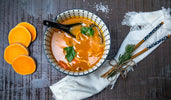
No list of what Haitian foods do diaspora miss most is complete without Soup Joumou on New Year’s. Served every January 1, it turns a holiday into a history lesson about independence and dignity. Calabaza (or kabocha in a pinch), beef, pasta, and vegetables simmer into a broth that tastes like resolve. Families abroad set extra bowls to honor ancestors, share containers with neighbors, and teach kids why the ritual matters. The pot becomes a classroom; the table becomes a small republic of memory.
Beyond the headline trio, the list of what Haitian foods do diaspora miss most includes diri kole with red beans, tassot fried goat, mayi moulen with fish in sauce, lanbi conch, legim vegetable medley, marinad fritters, and pain patate sweet potato pudding. Each brings technique—stewing until flavors agree, frying until textures sing, seasoning until the room goes quiet at the first bite. These dishes translate well abroad because their soul lives in method, not just in ingredients.
Diaspora kitchens answer what Haitian foods do diaspora miss most with organized improvisation. When Djondjon rice mushrooms are rare, mushroom powder or stock bridges the gap. For the Griot & pikliz combo, citrus varieties shift, but garlic, thyme, and scotch bonnet keep the melody. If calabaza is scarce, kabocha keeps Soup Joumou on New Year’s faithful to its spirit. Church potlucks and WhatsApp groups function as culinary schools where home cooks trade measurements, shortcuts, and cautionary tales about oil too hot or salt too shy.
The answer to what Haitian foods do diaspora miss most doubles as a syllabus for cultural literacy. Djondjon rice teaches savor; the Griot & pikliz combo teaches contrast; Soup Joumou on New Year’s teaches history and hope. Share these plates with neighbors, and you turn appetite into understanding. Teach them to kids, and you turn nostalgia into continuity. In the end, the list is less about ranking and more about remembering—why flavor keeps families close and why the kitchen remains the warmest room in the Haitian house, no matter the country.