Teaching Haitian Culture to Kids Abroad: Food, Language & Traditions
, by Seo Guy , 3 min reading time
, by Seo Guy , 3 min reading time
Parents ask how to preserve Haitian culture for kids abroad because they know identity doesn’t maintain itself; it’s a daily craft. The good news is that culture thrives on small, repeated acts. When diaspora parents preserve identity through meals, language, and celebration, they build habits sturdy enough to bridge oceans. Three tools do most of the work: Haitian food as first culture lesson, Music, dance, and Kreyòl in diaspora homes, and a calendar alive with traditions.
Start with Haitian food as first culture lesson because taste teaches faster than lectures. Invite kids into prep: washing rice, peeling plantains, stirring soup joumou on January 1. Explain why the dish matters—independence, gratitude, hospitality—and let the story ride the steam. Post simple recipe cards in Kreyòl and English; record grandparents describing steps in voice notes so children hear cadence and vocabulary. Cooking together builds confidence and gives kids a memory bank they will guard for life.
Culture needs a soundtrack, so prioritize Music, dance, and Kreyòl in diaspora homes. Make a family playlist that threads kompa, rara, gospel, and contemporary Haitian artists. Learn a few dance basics—two steps and a shoulder roll go a long way—and practice during chores. Speak Kreyòl daily: label objects around the home, set Kreyòl-only windows (breakfast or bedtime), and read picture books or comics together. If schools don’t offer Kreyòl, Saturday classes at churches or community centers can fill the gap. Language is more than vocabulary; it is the feeling of being understood without translation.
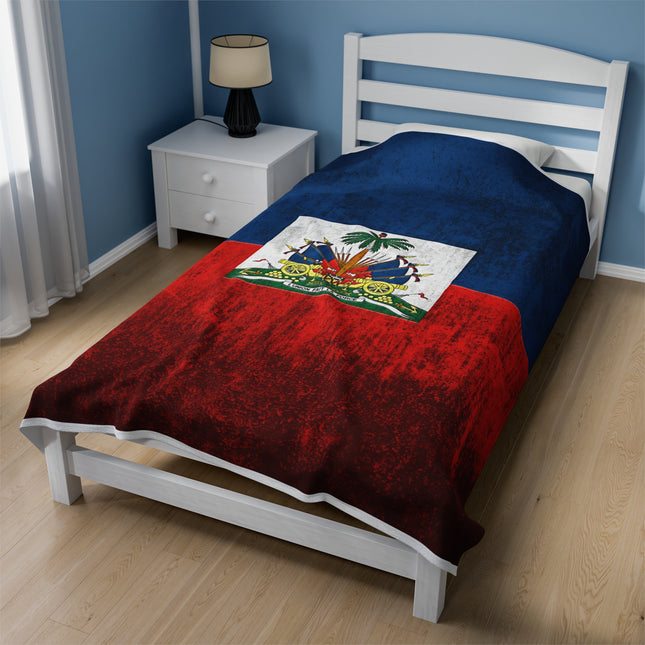
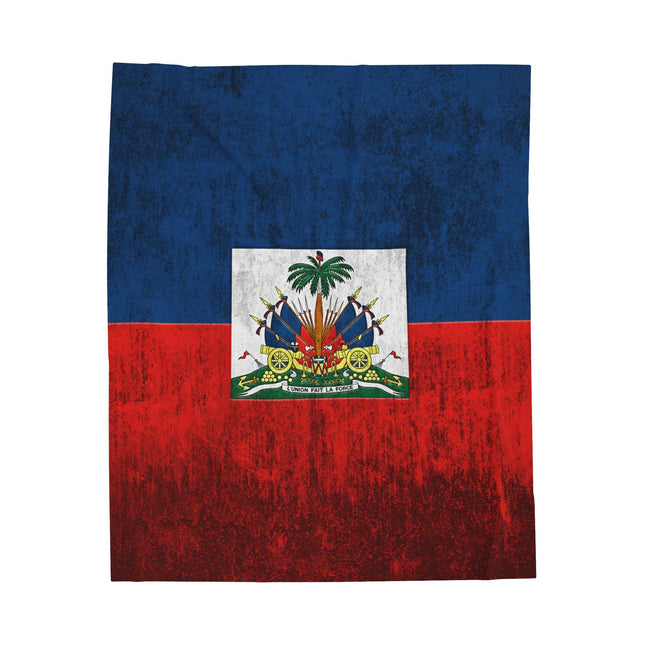
How do diaspora parents preserve identity beyond the home? Build micro-institutions: a monthly cooking club; a rotating story hour where elders tell folktales; a neighborhood “Kreyòl Corner” bulletin with events and resources. Partner with schools to host Haiti Culture Day. Encourage kids to present on independence history or the meaning of the flag. These little structures turn intention into infrastructure, giving families reliable spaces where culture isn’t an elective—it’s the main course.
A living calendar anchors how to preserve Haitian culture for kids abroad. Mark Haitian Flag Day, New Year’s Day with soup joumou, and church feast days or community festivals. Practice small rituals: a proverb before meals, a blessing before school, a family donation jar for a hometown project. Let kids help choose which traditions to add, so ownership grows with them. The point isn’t perfect reenactment; it’s continuity with creativity.
Hang art by Haitian painters, display beadwork or metal sculpture, and let children curate a shelf of Haitian books. Invite them to interview relatives about migration journeys and paste the transcripts into a family album. Pride is protection; when kids can point to visible signs of heritage, they carry themselves differently in classrooms and on playgrounds.
Busy schedules and mixed-language homes are normal. Keep practices small and steady: one recipe per month, one new Kreyòl word per day, one dance session per weekend. Use libraries, free online concerts, and community events to lower costs. Remember that blended families can celebrate multiple heritages without dilution—kids are capacious; they don’t divide culture, they collect it.
Ultimately, how to preserve Haitian culture for kids abroad is about forming people who are fluent in gratitude and grounded in story. With diaspora parents preserve identity as the guiding principle, Haitian food as first culture lesson in the kitchen, and Music, dance, and Kreyòl in diaspora homes as the daily soundtrack, children learn to carry Haiti inside them—portable, proud, and ready to share.