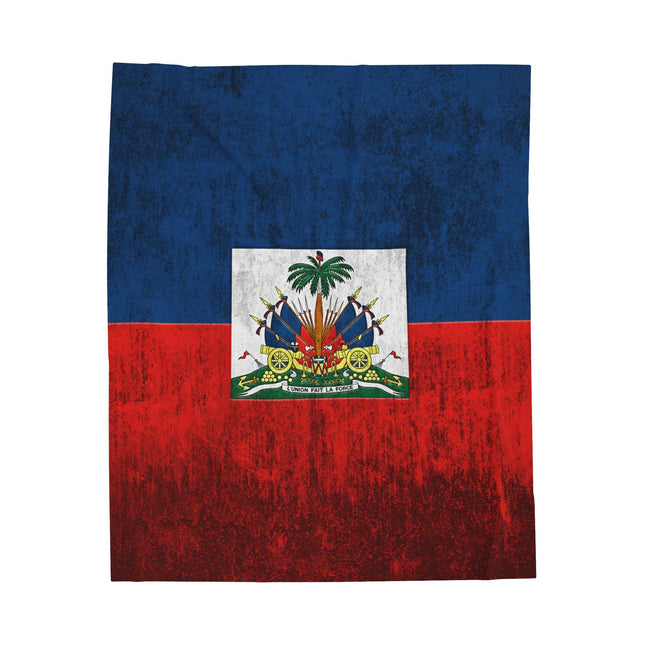

How the Diaspora Sends Money to Haiti: Remittances That Sustain a Nation
, by Seo Guy , 4 min reading time
, by Seo Guy , 4 min reading time
The question how do Haitians send money home is both practical and profound. For many families, remittances are the difference between pausing a dream and pushing it forward. Tuition gets paid, medicine is bought, roof repairs begin, and small businesses open because a cousin in Miami, Montreal, Paris, or New York pressed “send.” This everyday act links households across oceans, proving that money transfers are cultural lifelines as much as financial ones.
The history of remittances in Haiti begins long before apps and instant confirmations. In earlier decades, relatives carried cash on visits or mailed money orders; churches and hometown associations organized pooled support after storms or during economic downturns. As migration expanded, so did the channels—wire services, bank drafts, and later prepaid cards. Today the history of remittances in Haiti includes a rapid shift to mobile and online systems, but the motive is unchanged: keep family stable and the community stitched together.
The top ways Haitians send money mirror global trends while reflecting local realities. Cash pickup remains popular because it meets people where they are, especially in areas where formal banking is limited. Direct bank deposit helps families who maintain accounts and need predictable timing for rent or supplier payments. Mobile wallets and card-to-wallet services shorten the distance between sender and receiver and often reduce fees, while still allowing cash-out at neighborhood agents. Community couriers and trusted friends continue to play a role for in-kind support—barrels, school supplies, and equipment that money alone can’t replace. However you answer how do Haitians send money home, the goal is the same: reliability, speed, and safety.
Choosing among the top ways Haitians send money depends on context. A medical bill due tomorrow favors instant digital delivery to a wallet or cash pickup; a regular monthly allowance may go by lower-fee bank deposit scheduled in advance. Families compare exchange rates, agent proximity, and ID requirements. They also weigh recipient preference—some elders want cash, some entrepreneurs prefer deposits they can show to suppliers, and students might lean toward wallets that pay school fees or transit.
For the diaspora, money transfers are cultural lifelines because they carry meaning beyond the amount. A transfer is a promise kept to a grandmother who raised you, a vote of confidence in a sibling’s start-up, a sign that distance cannot cancel duty. The message travels with the money: “We are one household, split by geography but not by love.” This is the deeper answer to how do Haitians send money home—they send commitment, continuity, and care.
When relatives receive funds, they do more than meet immediate needs. They hire a mason, buy uniforms from a local seamstress, pay a moto-taxi for school rides, or purchase inventory from a neighborhood wholesaler. The history of remittances in Haiti shows that these flows ripple outward, supporting jobs, keeping kids in classrooms, and strengthening clinics and churches that anchor community life. Even small, regular transfers create a baseline of predictability that allows families to plan.
Answering how do Haitians send money home wisely means building a rhythm. Keep receipts and screenshots, track fees and rates, and coordinate with recipients on timing. Encourage loved ones to save a portion or invest in durable needs—water filters, solar lamps, training courses—so each transfer increases resilience. Talk openly about priorities and boundaries; clarity protects relationships and keeps money transfers as cultural lifelines rather than sources of strain.
As financial technology evolves, expect faster settlement, broader wallet access, and better compliance tools to make sending easier. Yet the heart of the practice will not change. The history of remittances in Haiti proves that methods come and go, but the motive remains steady: show up for family. Whatever the channel, the core answer to how do Haitians send money home will always be this—together.