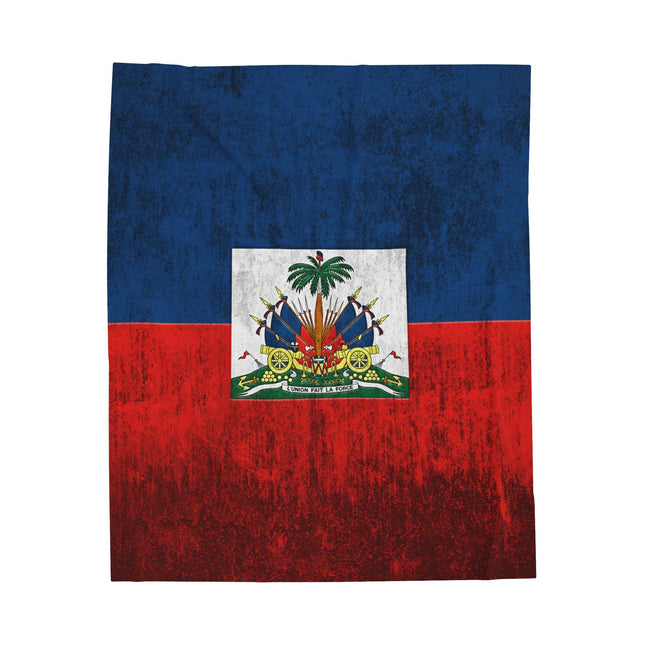

How Haitian Artists Preserve Culture in the Diaspora
, by Seo Guy , 3 min reading time
, by Seo Guy , 3 min reading time
Haitian artists abroad are caretakers of memory and architects of tomorrow. They translate migration, resilience, and joy into mediums that travel—canvas and steel, drum and horn, rhyme and rhythm. In galleries, community centers, and streaming feeds, their work keeps Haiti legible to audiences who may never have walked Port-au-Prince’s streets but can feel its heartbeat through color and sound.
Across studios from Brooklyn to Montreal, visual artists like Dantes render Haiti’s spirit in pigment and texture. Market scenes carry the choreography of bargaining and laughter; coastal horizons suggest departure and return; abstract forms echo drums, storms, and parables. Visual artists like Dantes often mix traditional motifs—palm fronds, veves, carnival masks—with contemporary palettes, proving that heritage is a living collaborator. Their pieces hang in pop-ups and museums alike, traveling further than any suitcase could.
If paintings teach us to look again, Music (Kompa, Rara, Hip-Hop) teaches us to move together. Kompa’s guitar glide and brass warmth score weddings and reunions. Rara’s street processions stitch neighborhoods into temporary nations, even in the snow of northern cities. Hip-hop, with its global cipher, becomes a canvas for Kreyòl wordplay, sampling rara horns and kompa grooves to narrate immigrant hustle, romance, and political critique. For Haitian artists abroad, blending Music (Kompa, Rara, Hip-Hop) isn’t fusion for novelty’s sake—it’s biography set to tempo.
The rise of diaspora art exhibitions gives artists platforms that match their ambition. Church basements transform into galleries; libraries host maker talks; city museums curate Haitian seasons that pair fine art with culinary pop-ups and kompa nights. Diaspora art exhibitions do double duty: they sell work so creators can live, and they educate audiences about the historical currents—revolution, migration, faith—that inform each brushstroke and bassline. Curators increasingly commission pieces that travel to schools, embedding Haitian perspectives into curricula.
Preservation isn’t just archiving; it’s repetition with renewal. Haitian artists abroad keep culture intact by practicing inherited methods (hammered-metal sculpture, beading, call-and-response choruses) while mentoring the next wave. Workshops teach kids to sketch, carve, drum, and rhyme in Kreyòl and English; elders explain symbols that appear in paintings and costumes. Through this, culture becomes a toolkit—usable, portable, and proud.
Art needs income as much as inspiration. Artists diversify: originals, prints, merch, teaching, sync licenses, and grants. They partner with fair-pay platforms, negotiate better splits with venues, and join co-ops that handle shipping and framing. Fans help by buying directly, tipping at shows, and requesting Haitian work from galleries. Diaspora art exhibitions that publish transparent budgets and artist fees set standards others can copy.
Success for Haitian artists abroad isn’t erasing accent or origin; it’s being recognized on their own terms. When visual artists like Dantes headline shows, when playlists slot Music (Kompa, Rara, Hip-Hop) between Afrobeats and jazz, when schools book diaspora art exhibitions for field trips—culture is not just preserved, it’s preferred. The win is wider than any one artist: audiences learn to expect Haiti in the room.
Go see a show, buy a print, stream an album, and tell a friend. Support Haitian artists abroad by requesting them at festivals and galleries. Celebrate visual artists like Dantes, dance to Music (Kompa, Rara, Hip-Hop), and fill diaspora art exhibitions with applause. That is how culture crosses borders and comes back stronger.