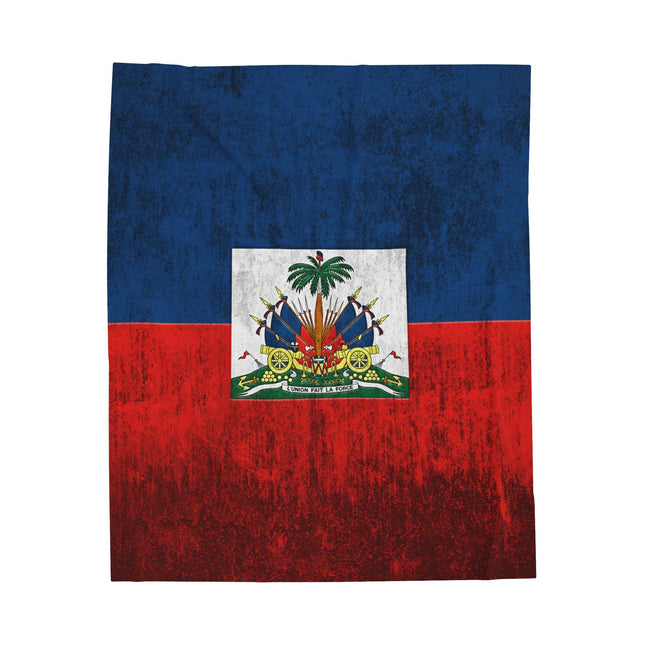

Haitian Immigration in the U.S: Challenges, Opportunities, and Hope
, by Seo Guy , 3 min reading time
, by Seo Guy , 3 min reading time
Haitian immigration in the U.S. stretches back generations, shaped by waves tied to politics, economics, and natural disasters. The immigration history often begins with students, artists, and professionals who arrived mid-20th century, followed by families seeking stability as Haiti faced upheavals and earthquakes. Each wave carried language, faith, and entrepreneurial grit. From New York to Miami, Boston to Atlanta, Haitians created churches, neighborhood associations, and small businesses that turned arrival into belonging. Understanding this immigration history helps communities and policymakers respond with empathy instead of stereotypes.
Every move contains risk, and the challenges confronting newcomers are both practical and personal. Securing housing near jobs and schools can strain budgets. Navigating English, Kreyòl, and sometimes French while filling forms tests patience. Parents worry about credential recognition; professionals must prove skills anew. Yet these challenges are not destiny—they are problems communities solve together through mentoring, mutual aid, and information shared across WhatsApp threads and church bulletins.
For many families, racism, jobs, documentation form a triangle of pressure. Discrimination can show up in hiring or housing. Entry-level jobs may not match education, pushing nurses, teachers, or technicians into roles below their training. Meanwhile, documentation status guides every decision—from commuting routes to whether to apply for better work. Legal clinics, worker centers, and immigrant coalitions help people navigate paperwork, assert rights, and move from survival work toward careers that reflect their abilities. Naming racism, jobs, documentation openly is the first step toward solutions.
After the first months, Haitian immigration in the U.S. becomes a family strategy. Parents track school options, tutors, and college aid. Community health clinics with bilingual staff bridge cultural and medical conversations. Faith communities coordinate child care, rides to night shifts, and fundraising for emergencies back home. This is how households stabilize—by weaving institutions and kinship into a safety net that turns the challenges list into a checklist of victories.
Ask how Haitians contribute to U.S. culture and you’ll hear answers in every register. Small restaurants bring griot and soup joumou to American main streets; nurses and home-health aides anchor hospitals and elder care; teachers, coders, carpenters, and entrepreneurs fuel local economies. Kompa festivals fill summer calendars; Kreyòl poetry slams broaden the canon. Mutual-aid traditions—“men anpil, chay pa lou”—become community programs that help neighbors of every background. To contribute to U.S. culture is to add flavor and infrastructure at once.
Second-generation students translate for parents, excel in STEM and the arts, and start clubs where Kreyòl and English coexist. They study their immigration history and call out racism while building networks that land internships and scholarships. Their resumes tell a story: weekend work to support family, leadership in campus associations, internships at hospitals or city agencies. The path is not easy, but it is visible—and it widens a little with each graduate, nurse pinning, or business launch.
Hope here is practical: regularized documentation, a promotion at jobs, a school counselor who understands Haitian immigration in the U.S., and neighbors who refuse silence about racism. Families celebrate milestones that once felt impossible, and communities keep pushing so newcomers can both belong and lead. That is the promise of this journey: turn challenges into competence, root immigration history in pride, and continue to contribute to U.S. culture with courage and care.