
Citadelle and Sans-Souci Palace — Restored Sites of National Pride and Tourism
, by Seo Guy , 6 min reading time
, by Seo Guy , 6 min reading time
Perched high in the mountains of northern Haiti, the Citadelle Laferrière stands as one of the most awe-inspiring monuments in the entire Caribbean. Paired with the nearby Sans-Souci Palace, these UNESCO World Heritage Sites are living symbols of Haiti’s fight for freedom, its architectural genius, and its enduring cultural pride. Today, visiting these landmarks with the help of a knowledgeable Citadelle Laferrière tour guide offers an unforgettable journey through the nation’s revolutionary history and its unmatched architectural legacy.
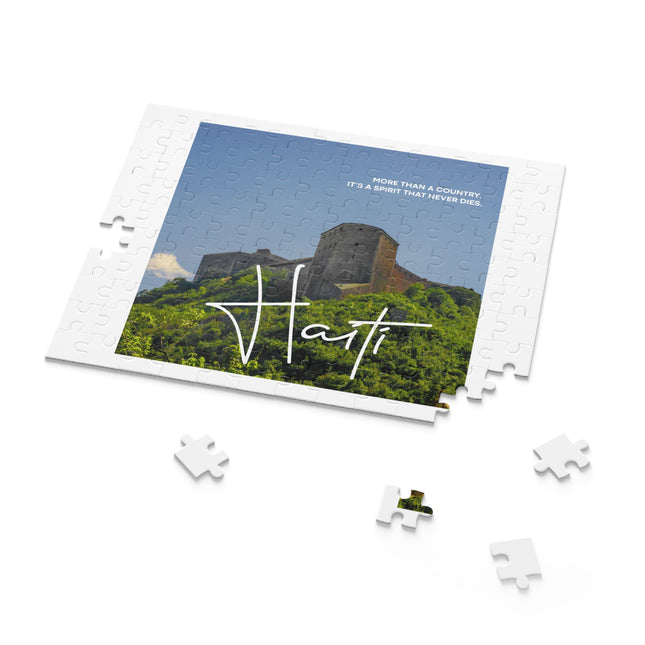
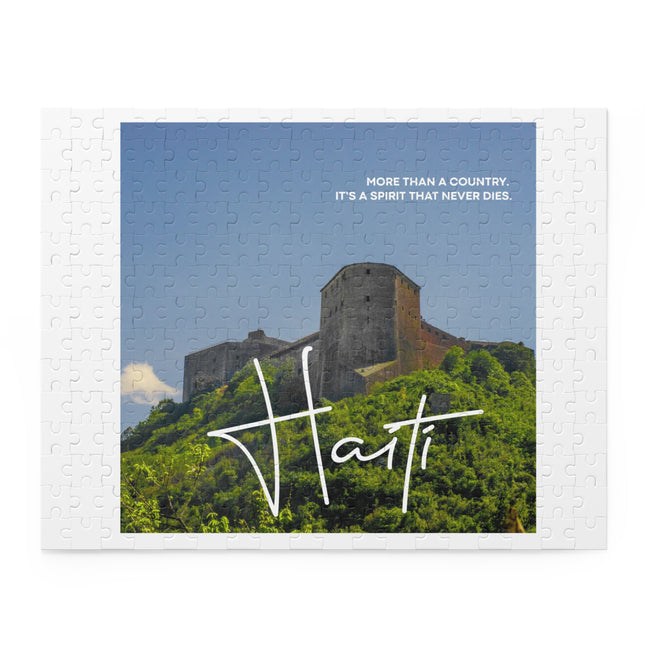
Built in the early 19th century under the command of King Henri Christophe, the Citadelle Laferrière was designed to defend Haiti against possible French attempts to reclaim the island after independence. Rising nearly 3,000 feet above sea level on the Bonnet à l’Evêque mountain, this massive fortress has walls up to 40 meters high and cannons still pointed toward the coast—a silent reminder of Haiti’s determination to remain free.
For visitors, walking through its stone corridors and climbing its battlements is more than sightseeing—it’s stepping into a story of resilience. With the guidance of an experienced Citadelle Laferrière tour guide, the site’s intricate design, strategic location, and historical importance come alive in ways that history books alone cannot convey.
Only a few miles away in the town of Milot lies the Sans-Souci Palace, once the royal residence of King Henri Christophe. Often called the “Versailles of the Caribbean,” the palace was the center of Haiti’s political and cultural life during Christophe’s reign.
Though partially in ruins due to earthquakes and the passage of time, the palace retains an air of majesty. Arched staircases, grand halls, and sprawling courtyards tell of a period when Haiti was asserting its place as a proud, independent nation. For travelers, pairing a visit to the palace with a Citadelle Laferrière tour guide creates a seamless historical narrative of power, culture, and ambition.
Both the Citadelle and Sans-Souci Palace, along with the Ramiers site, form a UNESCO World Heritage Site recognized in 1982. This designation reflects their exceptional value to humanity as symbols of liberty and human rights. They are among the few monumental structures in the Americas built by formerly enslaved Africans that still stand in such grandeur today.
A skilled Citadelle Laferrière tour guide not only shares historical facts but also enriches the experience with cultural anecdotes, architectural insights, and even local legends passed down through generations. Many guides are from the surrounding communities, offering personal perspectives that connect visitors to the living culture of the area.
Guided tours typically begin in Milot, with options to hike or ride horseback up the mountain trail to the Citadelle. Along the way, guides point out native plants, wildlife, and vantage points that provide stunning views of the Caribbean Sea.
Restoration and preservation projects have been ongoing to protect these heritage sites from weathering and structural damage. Collaborations between the Haitian government, UNESCO, and international partners aim to ensure that future generations can walk the same halls and walls as their ancestors.
In recent years, increased tourism interest has also brought investment to the region, creating opportunities for local artisans, guides, and hospitality services. A Citadelle Laferrière tour guide often doubles as an ambassador for the local economy, recommending places to eat, shop, and stay.

For Haitians, these sites are not just historical monuments—they are emblems of national pride. School groups, cultural organizations, and diaspora visitors all make pilgrimages to the Citadelle and Sans-Souci Palace to reconnect with their heritage.
During cultural festivals and national holidays, these spaces become alive with music, dance, and ceremony, reinforcing their role as living monuments rather than static relics.
Travelers planning to visit should wear comfortable walking shoes, bring water, and be prepared for a moderate uphill climb. The experience is well worth the effort—especially with the storytelling and insights that a Citadelle Laferrière tour guide provides along the way.
Photography enthusiasts will find endless opportunities here, from sweeping mountain vistas to intricate stonework. Early morning or late afternoon visits offer the best light for capturing the majesty of these structures.
The imposing silhouette of the Citadelle and the graceful ruins of Sans-Souci have long inspired Haitian painters, sculptors, and textile designers. Their imagery often appears in art, home décor, and even fashion. At CreoleSizzle, we embrace similar inspirations in our designs, transforming the architectural motifs and historical symbolism into wearable art and cultural statement pieces.
As interest in sustainable and cultural tourism grows worldwide, the Citadelle and Sans-Souci Palace stand poised to welcome more visitors seeking authentic, meaningful travel experiences. Strengthening infrastructure, training more local guides, and promoting these sites internationally will ensure that they remain accessible while preserving their integrity.
With a Citadelle Laferrière tour guide, visitors don’t just see history—they feel it, walk through it, and carry its lessons home with them.
The Citadelle Laferrière and Sans-Souci Palace are treasures of Haitian heritage, embodying the courage, creativity, and vision of a nation born from revolution. Exploring them with a skilled guide transforms a simple visit into a profound journey through history, architecture, and national pride.
Inspired by Haiti’s resilience and vibrancy? ⬇️
Discover art, décor, and fashion that celebrate Haitian culture—visit CreoleSizzle.com and carry culture with pride!