How to Make Tassot: Haitian Fried Goat and Beef in 2025
, by Seo Guy , 5 min reading time
, by Seo Guy , 5 min reading time
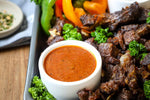
Tassot, whether made from goat or beef, is one of Haiti’s most celebrated fried meat dishes. Known for its bold flavor and satisfying texture, Tassot is a staple of fritay platters and family gatherings. It is made by marinating goat or beef in epis and citrus juice, simmering until tender, and then frying until crispy and golden. Served with Bannann Peze and Pikliz, Tassot carries all the hallmarks of Haitian cooking—bold seasoning, vibrant presentation, and a communal spirit.
In 2025, Tassot continues to be a dish of pride and festivity. For Haitians at home and abroad, preparing Tassot is a way of connecting to heritage and passing on traditions that remain central to identity.
Unlike Griot, which uses pork, Tassot relies on either goat (kabrit) or beef. Goat, in particular, carries cultural weight in Haiti, where it is prized for special occasions and celebrations. The meat is leaner and more intensely flavored than pork, giving Tassot its distinct character.
The preparation process also sets Tassot apart. After being marinated with epis and sour orange or lime juice, the meat is boiled until tender, ensuring it absorbs all the seasonings. Only then is it fried, creating a crisp exterior while maintaining a juicy interior. The result is a dish that is deeply flavorful, satisfying, and unmistakably Haitian.
The process begins with cutting goat or beef into cubes and cleaning them with citrus juice. The meat is then marinated overnight with epis, garlic, thyme, and Scotch bonnet peppers. Once ready, it is simmered with onions and herbs until fully tender. This step ensures that every bite is infused with flavor.
After simmering, the meat is fried until browned and crispy. Tassot is usually served with Bannann Peze and a generous side of Pikliz. The acidity of the Pikliz balances the richness of the fried meat, while plantains provide starch and texture. In this harmony of elements lies the genius of Haitian cooking.
Tassot is not an everyday meal—it is most often prepared for gatherings, feasts, and holidays. Weddings, birthdays, and baptisms are occasions where Tassot is almost guaranteed to appear. Its presence signals joy and abundance, as goat has historically been associated with celebration in Haitian culture.
In the diaspora, Tassot plays a similar role. Preparing it is an act of cultural preservation, a way for families to bring the flavors of Haiti into new settings. The aroma of frying Tassot often fills kitchens during holidays, instantly transporting Haitians back to memories of home.
Goat meat has a special place in Haitian food culture. It is considered one of the most flavorful meats and is often reserved for important events. Cooking goat into Tassot is not only about taste but also about respect for tradition and community. In rural Haiti, goat is often shared during ceremonies and village gatherings, reinforcing its role as a symbol of unity.
Beef Tassot, while less traditional, has also become popular, particularly in the diaspora where goat can be harder to find. Both versions represent resilience and adaptability, showing how Haitian traditions survive even when ingredients change.
In Haitian restaurants abroad, Tassot is one of the most requested dishes. It is often highlighted alongside Griot as a signature item, introducing newcomers to the depth of Haitian fried meats. Food critics and cultural festivals increasingly feature Tassot as part of Haiti’s culinary identity.
In 2025, Tassot continues to gain recognition outside Haitian circles. Its bold flavor and unique preparation make it a standout among Caribbean dishes, drawing interest from chefs and food lovers alike.
The flavor of Tassot comes from its seasoning. Epis, the herb-and-garlic paste central to Haitian cuisine, provides depth, while sour orange or lime juice adds brightness. Scotch bonnet peppers lend heat, and thyme rounds out the flavor. These elements distinguish Haitian Tassot from fried meat dishes in other cultures, making it uniquely Haitian.
Like many Haitian recipes, Tassot is passed down orally through families. Parents teach children the importance of cleaning meat with citrus, of marinating overnight, and of balancing the flavors with Pikliz. These lessons ensure that the dish remains not only a meal but also a cultural inheritance.
In diaspora households, preparing Tassot becomes a way of maintaining identity. Even when substitutions are made, the spirit of the dish remains, keeping Haitian pride alive across generations.
Tassot remains a cornerstone of Haitian cuisine because it embodies celebration, resilience, and heritage. In a global food culture that increasingly values authenticity, Tassot stands out as an authentic dish with deep cultural meaning. In 2025, it continues to represent Haiti to the world, introducing outsiders to the boldness and beauty of Haitian cooking.
Cooking and sharing Tassot is a powerful way to honor Haitian culture, but pride doesn’t end at the table. Visit CreoleSizzle.com for Haitian-inspired kitchenware, apparel, and accessories that keep heritage alive every day. Just as Tassot celebrates abundance and tradition, CreoleSizzle ensures Haitian identity remains strong in your home and lifestyle.